
Degree Pathways: Career Opportunities and Academic Growth
You’ve mapped out your educational journey, chosen your courses, and committed to earning your degree. Degree Pathways represent your roadmap to professional success and personal development. However, when you try to use those credentials in a different system, evaluators often struggle to understand your specific academic journey. That happens constantly with diverse educational backgrounds. Instead of dealing with confusion alone, applicants need proper evaluation. That is exactly what ToHave provides for every Degree Pathways application that comes through their doors.
Converting your academic background into recognized credentials is challenging, since educational systems vary wildly across institutions and borders. You can explore the global degree frameworks to understand the complexity. Nevertheless, the actual evaluation process demands expert guidance, which is where ToHave steps in to bridge that critical gap.
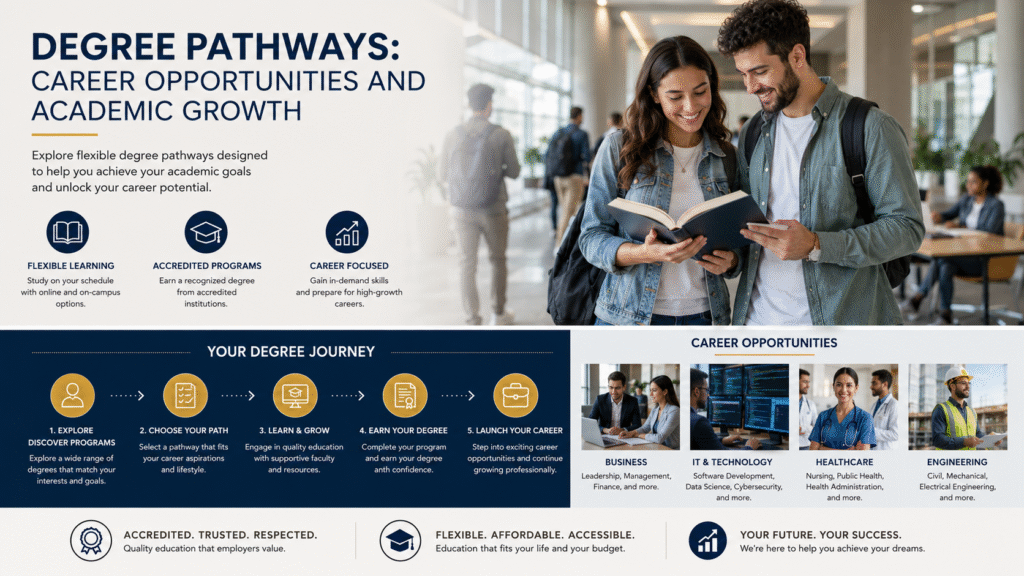
Understanding Degree Pathways Recognition
Let’s get real for a moment. Just because you followed a specific educational track doesn’t mean it translates automatically to another system. When evaluators examine your Degree Pathways file, they need to see how your academic journey aligns with their standards. Unfortunately, many evaluators struggle with different program structures. Consequently, they might undervalue what you actually accomplished through years of dedicated study.
This is where professional evaluation becomes absolutely essential. You need someone who can demonstrate that your academic pathway meets international standards. Without that demonstration, your achievements remain misunderstood behind outdated assumptions about what counts as legitimate education.
Why Context Matters for Academic Pathways
Every Degree Pathways case has its own unique structure and focus. For instance, some applicants followed traditional four-year programs, while others pursued accelerated tracks, interdisciplinary studies, or customized learning plans. When evaluators review credentials from these diverse backgrounds, they need to understand the actual learning outcomes. Moreover, they need to see how your pathway compares to standard academic models.
ToHave provides that exact context. Rather than simply forwarding your transcripts, the team explains the program structure, the course sequence, and the specific competencies you acquired. This additional layer of information makes a tremendous difference in how your Degree Pathways are perceived.
Beyond the Course List
People often think their transcript is enough, but that’s not what really matters. Evaluators need to see the actual academic progression and understand what you gained from each stage. Additionally, they want to know how your skills align with current professional standards and what competencies you developed. ToHave ensures that all these details from your Degree Pathways are clearly highlighted in your file.
Translating Academic Achievements
Translating a course list is straightforward, but translating academic achievements into recognized credentials requires expertise. ToHave takes your educational data and constructs a coherent narrative. Furthermore, they demonstrate exactly how your Degree Pathways align with international academic standards. This approach makes the evaluator’s task much easier and leads to significantly better outcomes for you. You can learn more about higher education standards to understand how these evaluations function globally.
How ToHave Evaluates Degree Pathways
So you’ve completed your academic journey and now need INTIAU evaluation for your Degree Pathways. You could attempt navigating the requirements yourself. Alternatively, you could let specialists handle it. ToHave serves as the official representative of INTIAU, which completely transforms the process.
Because they hold official status, they know precisely what INTIAU expects. They don’t guess or make assumptions. Instead, they possess direct access to current evaluation criteria for Degree Pathways credentials. This insider knowledge ensures your file meets all requirements from day one.
The Comprehensive Evaluation Process
When you submit your documents to ToHave, the team begins by reviewing everything meticulously. First, they examine your academic history, course sequences, and learning achievements. Then, they identify the competencies from each stage. Finally, they compile everything into a comprehensive file that INTIAU can process efficiently.
This systematic approach eliminates all guesswork. You don’t need to worry about formatting errors or missing documentation. ToHave manages every detail related to your Degree Pathways application, ensuring nothing gets overlooked.
The Official INTIAU Connection
Being the official representative carries significant weight. It means ToHave maintains a direct line to INTIAU and knows the exact standards used to evaluate Degree Pathways. Therefore, they format your file to meet those specific standards perfectly.
Building a Compelling Case
Evaluation isn’t merely about checking boxes; it’s about constructing a compelling case for your academic background. ToHave gathers all evidence from your Degree Pathways and presents it logically. As a result, they ensure the evaluator sees the complete value of your educational journey, not just a list of courses.
Preparing Your Degree Pathways Documentation
Alright, you’ve decided to work with ToHave, which is a smart decision. Now you need to gather your documentation. For Degree Pathways applications, that involves more than just your diploma. Essentially, you need to demonstrate the depth and learning outcomes of your academic journey.
What INTIAU Requires from Students
First and foremost, you need detailed documentation of your academic history. This must include specific courses, credits, and achievements. Additionally, you need evidence of learning progression because INTIAU needs to understand exactly what competencies you developed through each stage. The more detail you provide about your Degree Pathways background, the better ToHave can construct your file.
Common Documentation Challenges
Many applicants make mistakes by submitting incomplete files. For example, they forget to include syllabi or course progression records. Others submit vague descriptions. Fortunately, ToHave catches these errors early. They review your documentation for Degree Pathways thoroughly before submission, protecting you from frustrating rejections.
Frequently Asked Questions
How does ToHave verify academic pathways?
ToHave reviews your academic documents and cross-references them with established educational standards. Furthermore, they ensure your background is properly documented and present the credentials to INTIAU with full context.
What documents do I need for Degree Pathways?
You need detailed transcripts, course descriptions, progression records, and academic achievements. ToHave will guide you on exactly what INTIAU requires for your specific background.
Can ToHave handle degrees from any educational institution?
Yes. The team evaluates credentials from a wide variety of academic backgrounds globally. Moreover, they know how to present diverse educational qualifications in a way that INTIAU understands and respects.
Why is context important for my academic pathway?
Context explains your program structure, course progression, and professional growth. Without it, evaluators might misunderstand your achievements. ToHave provides this crucial context to ensure accurate evaluation.
Why use ToHave instead of applying directly?
Applying directly means guessing the requirements. ToHave is the official INTIAU representative, so they know the exact criteria for Degree Pathways. Consequently, they ensure your file meets every standard perfectly.