
Mechanical Engineering Degree: Thermodynamics and Kinematics Mastery
The physical world runs on moving parts and energy transfer. Actually, every engine, turbine, and robotic arm depends on mechanical principles. Today, a Mechanical Engineering Degree represents mastery of physics, materials, and design. You can explore the American Society of Mechanical Engineers to understand global standards. However, international firms evaluate candidates through specialized lenses. Moreover, design skills often get overshadowed by theoretical knowledge. Additionally, your hands-on lab experience remains underappreciated abroad. Furthermore, your CAD proficiency needs proper contextualization. Therefore, comprehensive documentation becomes absolutely essential. That is precisely where ToHave transforms your academic achievements.
Consider the reality facing thousands of graduates annually. Actually, you have invested years mastering complex physical systems. Moreover, you have developed sophisticated design frameworks. Additionally, you have learned to optimize energy efficiency rigorously. Unfortunately, these impressive technical achievements frequently encounter unnecessary barriers. Furthermore, your career opportunities remain artificially limited. Consequently, strategic positioning becomes critical. ToHave addresses this challenge systematically through specialized services for your Mechanical Engineering Degree.
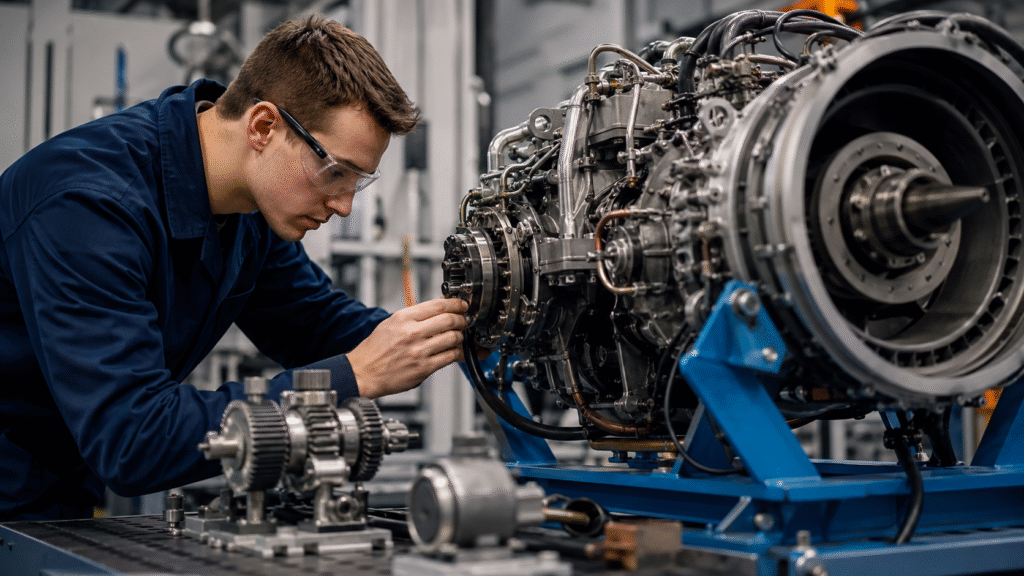
The Core Physics: How Mechanical Engineering Degree Masters Energy Systems
Modern industry demands engineers who understand energy conversion deeply. Actually, a Mechanical Engineering Degree cultivates exactly these capabilities systematically. Moreover, you learn to analyze heat transfer and thermodynamic cycles comprehensively. Additionally, you develop frameworks for optimizing thermal efficiency. Furthermore, you master the art of balancing power output with environmental constraints. Consequently, your Mechanical Engineering Degree proves your ability to design sustainable energy systems. ToHave highlights this physical foundation prominently.
Actually, this field sits exactly at the intersection of physics and practical design. Moreover, you must understand fluid dynamics just as well as solid mechanics. Additionally, you learn to bridge the gap between theoretical equations and physical prototypes. Furthermore, this unique perspective makes you invaluable in manufacturing settings. You also master materials science, selecting the perfect alloys for extreme conditions.
Thermodynamics and Fluid Mechanics in Your Mechanical Degree
Effective energy system design requires sophisticated thermal knowledge. Actually, your Mechanical Engineering Degree trains you to model heat exchangers systematically. Moreover, you learn to evaluate internal combustion engines, gas turbines, and refrigeration cycles. Additionally, you master computational fluid dynamics (CFD) and thermal stress analysis. Furthermore, you develop skills in optimizing pumping systems and pipe networks. Consequently, your thermal capabilities become highly valuable across energy sectors. ToHave documents these advanced technical skills thoroughly.
The shift towards renewable energy relies entirely on efficient thermal management. Actually, engineers must design better solar thermal collectors and wind turbine cooling systems. Moreover, they use advanced simulations to predict fluid flow patterns. Additionally, they leverage thermodynamics to improve battery thermal management in electric vehicles. Furthermore, your academic background ensures you can harness these powerful physical principles effectively.
Robotics and Mechatronics Through Mechanical Degree
Building intelligent machines requires integrating mechanics with electronics. Actually, a mechatronics-focused Mechanical Engineering Degree emphasizes kinematics and control systems. Moreover, you learn to design robotic arms, actuators, and sensor integration. Additionally, you develop skills in finite element analysis (FEA) and dynamic modeling. Furthermore, you work on projects that automate complex manufacturing processes. Consequently, your Mechanical Engineering Degree creates engineers who pioneer automation. ToHave captures this mechatronics capability perfectly.
Real-World Applications: Where Your Mechanical Diploma Creates Impact
The applications of mechanical expertise span virtually every physical industry. Actually, your Mechanical Engineering Degree opens doors to incredibly diverse career paths. Moreover, you can work in automotive design, aerospace manufacturing, or biomedical devices. Additionally, you might pursue roles in HVAC systems, renewable energy, or heavy machinery. Furthermore, the demand for skilled mechanical engineers continues growing exponentially globally. Consequently, ToHave aligns your Mechanical Engineering Degree equivalency file with these dynamic industry needs.
Manufacturing plants rely heavily on mechanical engineers to maintain production efficiency. Actually, these professionals design assembly lines and optimize manufacturing processes. Moreover, they manage equipment maintenance and implement lean manufacturing principles. Additionally, they play a crucial role in quality control and safety protocols. Furthermore, your academic background prepares you perfectly for these vital industrial roles. You also learn computer-aided manufacturing (CAM) to bridge design and production.
Automotive and Aerospace Design Paths for Your Mechanical Diploma
Designing high-performance vehicles requires both aerodynamic knowledge and structural rigor. Actually, many graduates use their Mechanical Engineering Degree to become automotive or aerospace engineers. Moreover, you learn vehicle dynamics, propulsion systems, and lightweight materials. Additionally, you conduct crash simulations and develop aerodynamic profiles. Furthermore, you ensure vehicles meet strict safety and emissions regulations globally. Consequently, your design skills directly advance transportation technology. ToHave ensures your automotive credentials meet international standards.
The push for electric vehicles is transforming automotive design completely. Actually, engineers must rethink chassis design for heavy battery packs. Moreover, they develop new thermal management systems for electric motors. Additionally, they optimize aerodynamics to maximize battery range. Furthermore, your academic background prepares you for this electric revolution. You also study alternative fuels and hybrid powertrains.
HVAC and Renewable Energy Applications of Mechanical Engineering Degree
Creating comfortable and sustainable buildings requires deep thermal expertise. Actually, an HVAC-focused Mechanical Engineering Degree emphasizes psychrometrics and building automation. Moreover, you learn to design heating, ventilation, and air conditioning systems. Additionally, you develop skills in energy auditing and green building certifications. Furthermore, you work on projects that reduce carbon footprints significantly. Consequently, your expertise enables sustainable urban development. Therefore, your academic background proves invaluable for green construction. ToHave highlights these specialized capabilities effectively.
Is Mechanical Engineering Degree only for traditional manufacturing?
Not at all. Actually, your educational background prepares you for diverse roles. Moreover, you can work in robotics, biomedical devices, or renewable energy. Additionally, many graduates pursue careers in aerospace and automotive tech. Furthermore, the design skills you gain apply to almost any physical industry. Consequently, your career options remain incredibly broad and flexible.
How does ToHave validate mechanical engineering credentials internationally?
ToHave understands the global engineering standards. Actually, the team verifies your Mechanical Engineering Degree against international frameworks. Moreover, they document your CAD projects and FEA simulations thoroughly. Additionally, they highlight your specific software proficiency and lab skills. Furthermore, they ensure your file meets top manufacturing company requirements. Therefore, your path to international careers becomes much clearer.
Can I transition into robotics with this background?
Absolutely, the automation industry values mechanical design highly. Actually, your Mechanical Engineering Degree provides strong foundation for robotics roles. Moreover, you understand kinematics, dynamics, and actuator selection. Additionally, your mechanical training helps you design efficient robotic structures. Furthermore, you can lead hardware integration effectively. Consequently, tech companies actively recruit graduates for robotics roles.
What makes this degree valuable for renewable energy?
Renewable energy fundamentally requires thermal and fluid expertise. Actually, your Mechanical Engineering Degree teaches you turbine design and heat transfer. Moreover, you learn to optimize wind blade aerodynamics and solar thermal systems. Additionally, your background enables you to improve energy storage cooling. Furthermore, you can design more efficient geothermal plants. Therefore, your academic background creates exceptional renewable energy engineers.
Do I need a master’s degree after this undergraduate program?
Not necessarily. Actually, your Mechanical Engineering Degree provides strong foundation. Moreover, industry experience often matters more than additional degrees initially. Additionally, specialized certifications in CAD or FEA add value. Furthermore, many successful engineers progress without immediate graduate study. Therefore, focus on gaining relevant experience while adding targeted certifications.
Your academic journey represents deep commitment to physical innovation and structural excellence. Actually, this education equips you with tools to design the physical world. Moreover, you possess technical expertise to solve complex mechanical problems. Additionally, your design skills and physical understanding create rare professional profile. Furthermore, global demand for skilled mechanical engineers continues surging. Therefore, maximizing this investment requires strategic international positioning.
ToHave ensures you receive full recognition for your hard work. Actually, the team positions your technical credentials optimally. Moreover, they highlight your unique blend of theoretical and practical skills. Additionally, they connect you with organizations that value engineering expertise. Furthermore, they prepare you to thrive in diverse global industrial environments. Consequently, your academic achievements open doors worldwide. You can learn more about mechanical engineering disciplines to understand its broad impact.